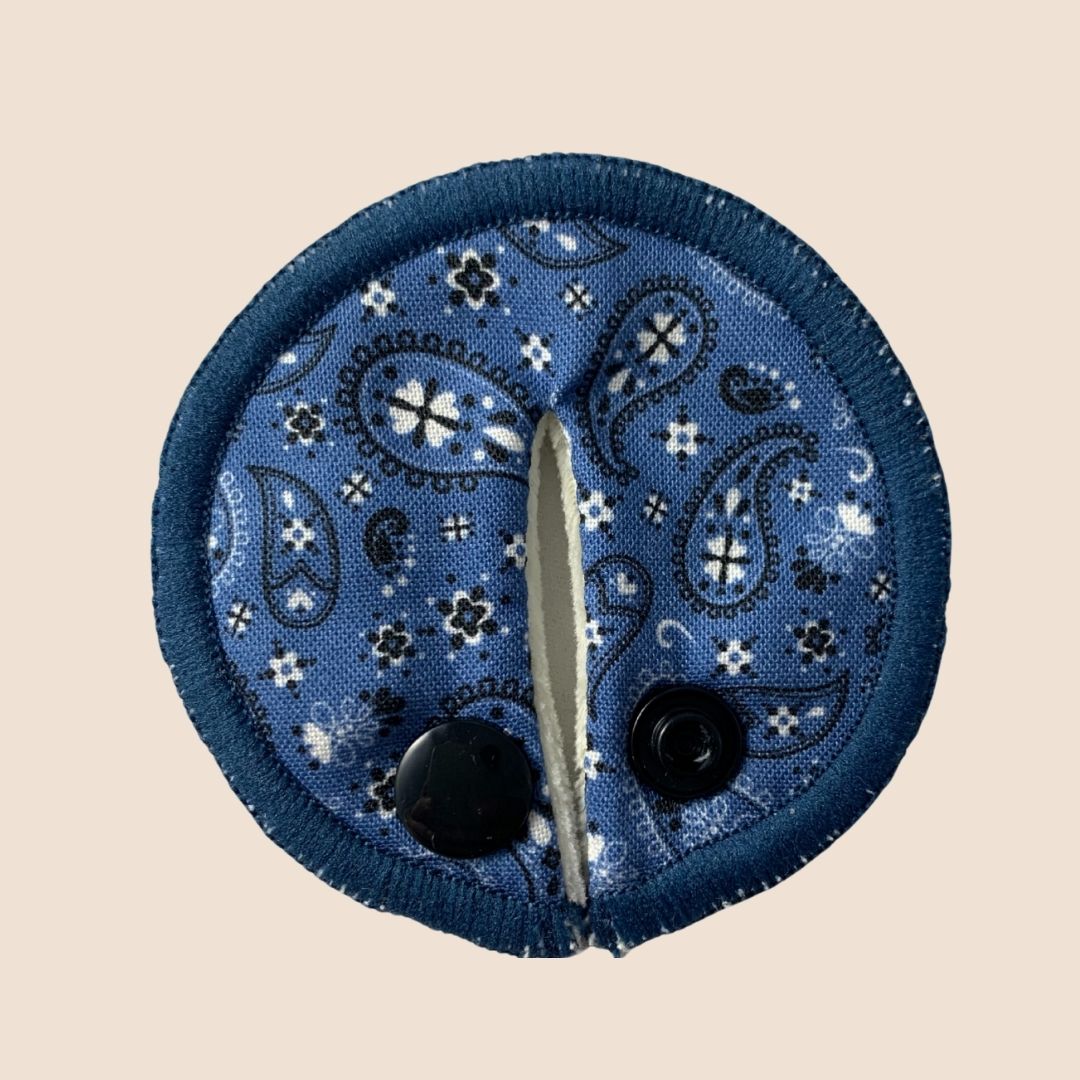


Why the Right Bib or Bandana Matters for Everyday Comfort
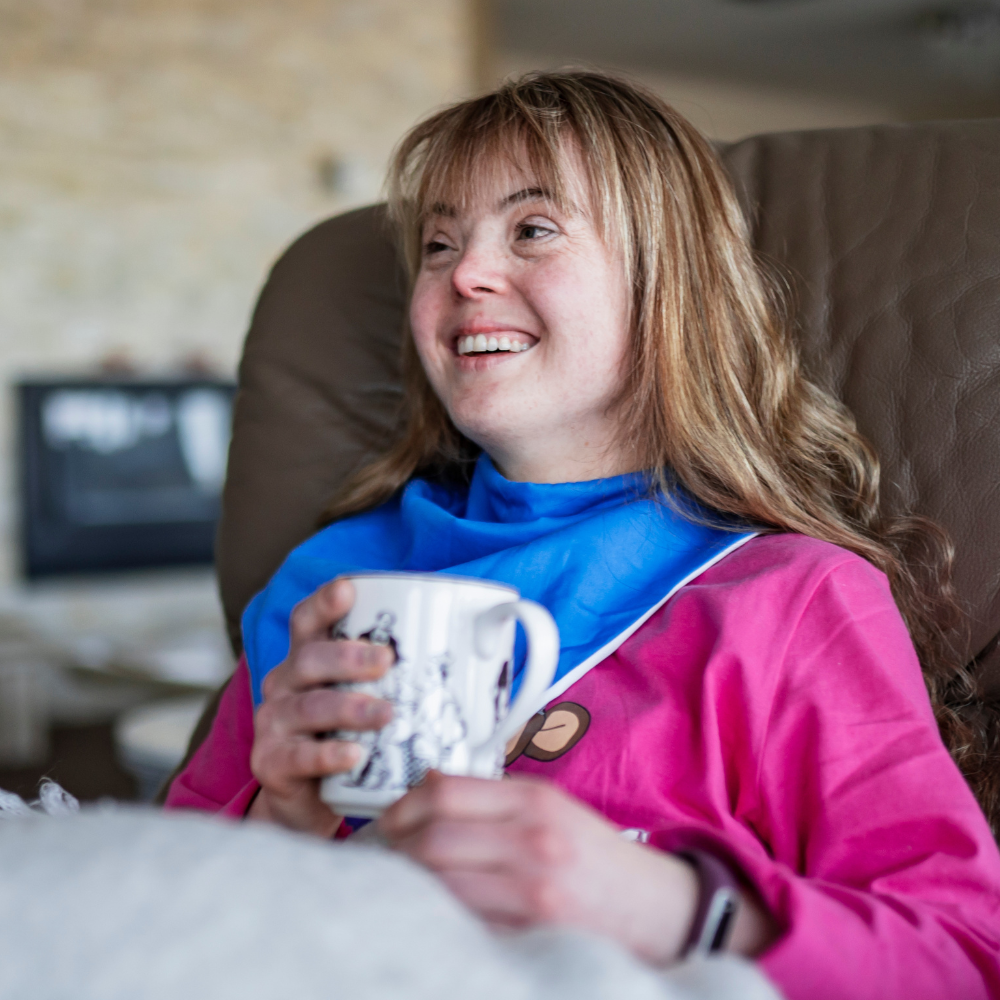
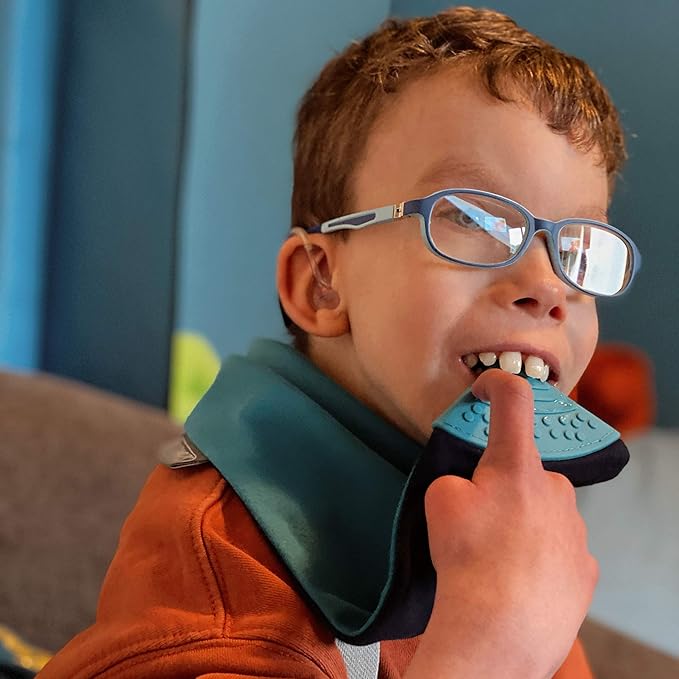
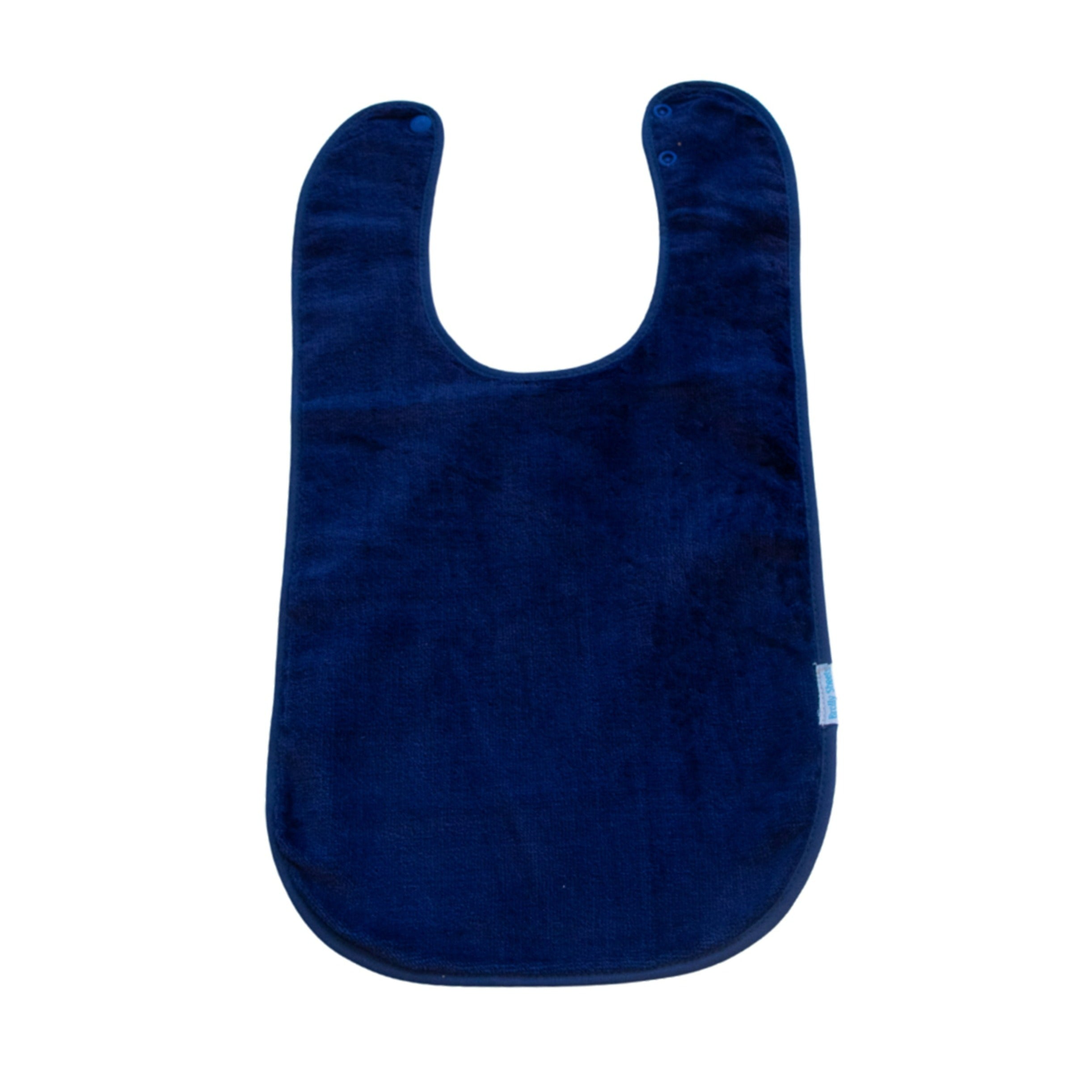
For many adults, teens or children with additional needs, a bib or bandana is more than a protective layer - it’s something they wear every day. The right one can make mealtimes easier, keep skin healthier, reduce laundry, and support personal comfort in a simple but meaningful way.

A lot of people think a bib is “just a bib,” until they try one that actually suits their needs. The difference is noticeable.
1. Protects Clothing and Skin Throughout the Day
Anyone who experiences drooling, reflux, or difficulties with chewing and swallowing may benefit from reliable protection for clothing. A well-designed bib or bandana:
-
absorbs moisture quickly
-
prevents wet patches that can cause discomfort
-
reduces how often clothing needs changing
-
helps prevent irritation around the mouth, chin, and neck
For people with sensitive skin, the fabric choice matters. Soft cotton or bamboo blends are often the most comfortable because they’re gentle, breathable, and less likely to trap heat.
2. Offers a More Discreet, Everyday Look
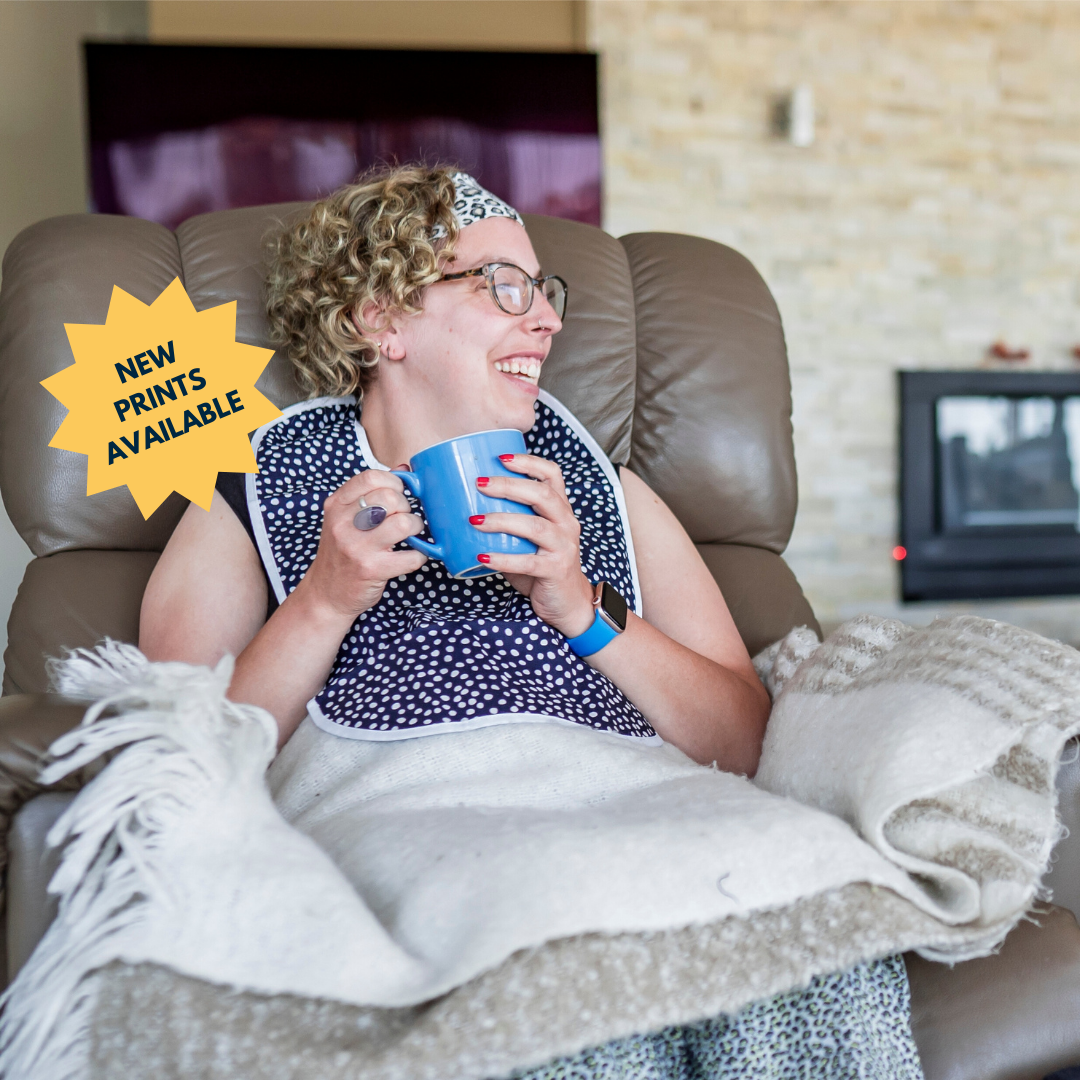
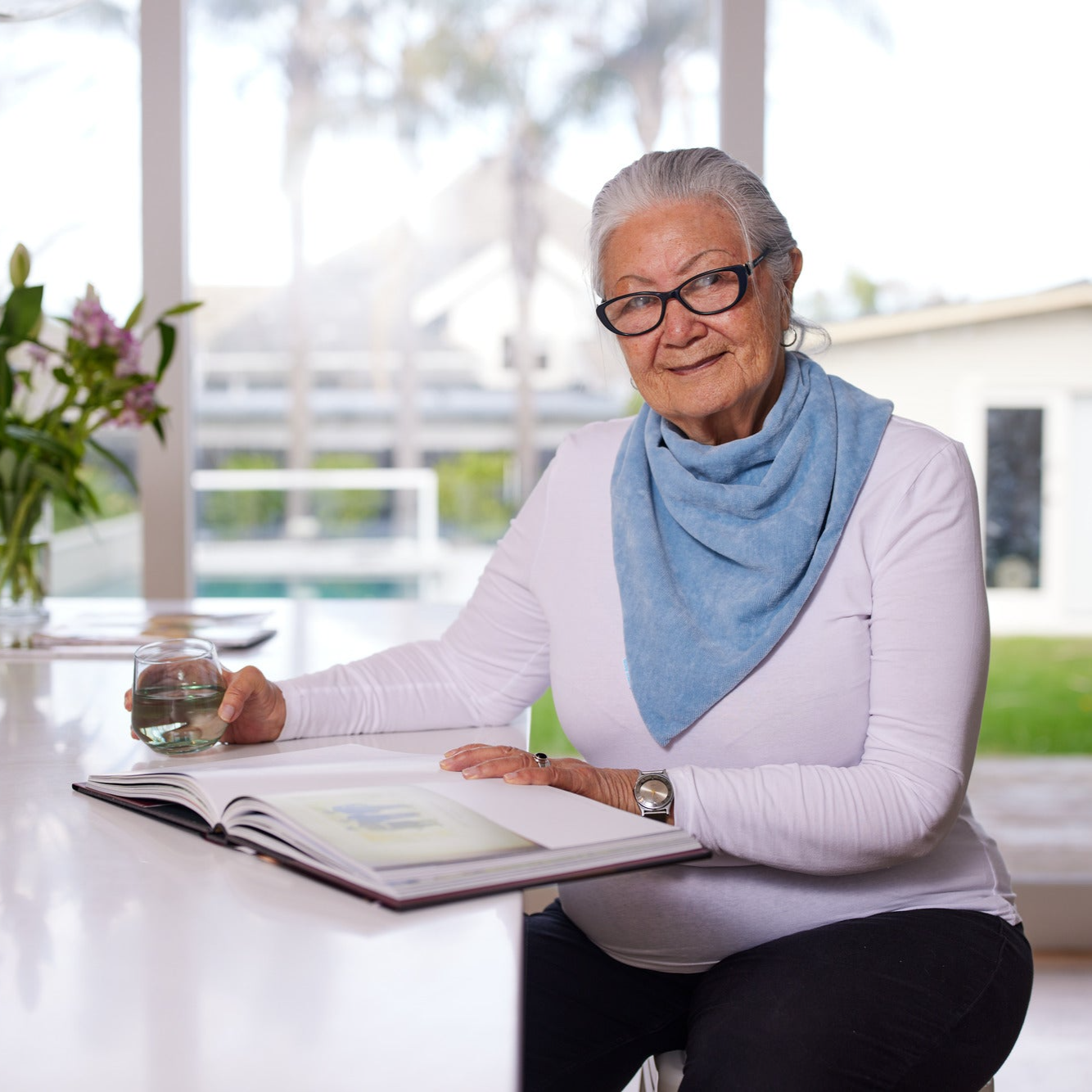
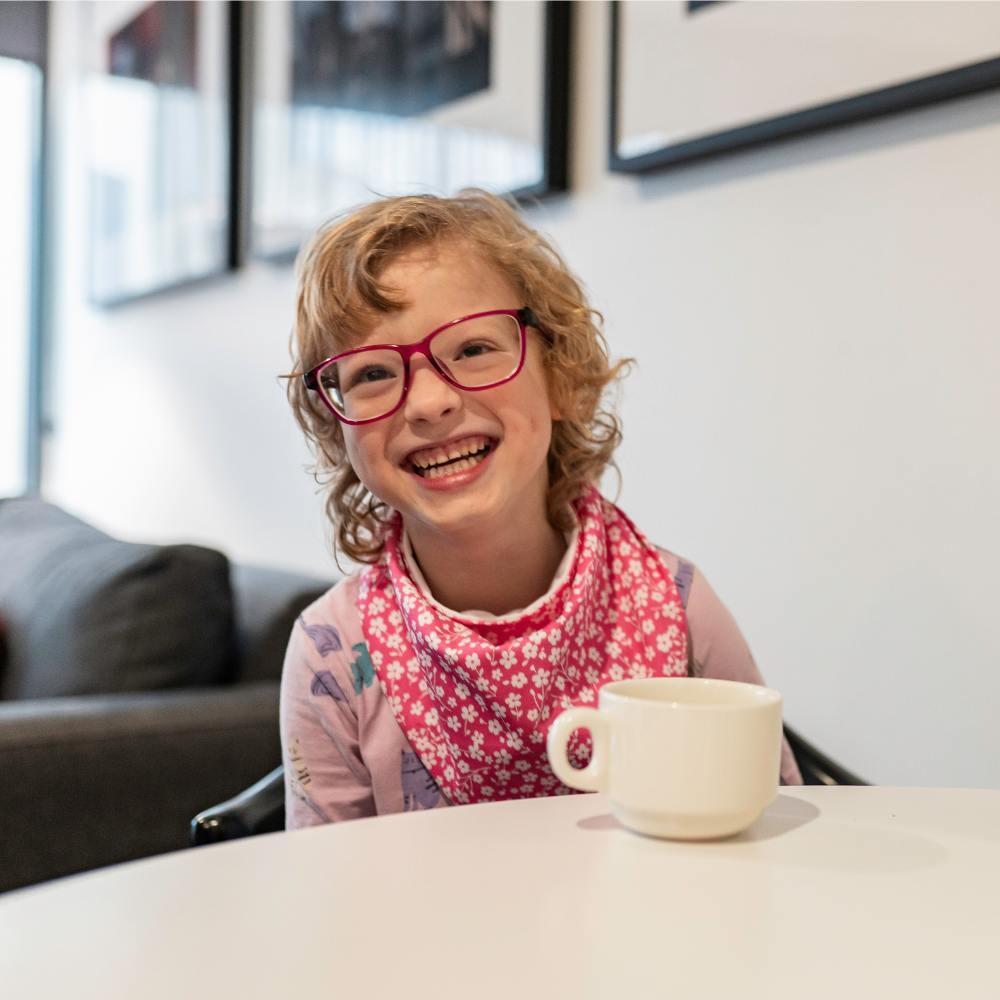
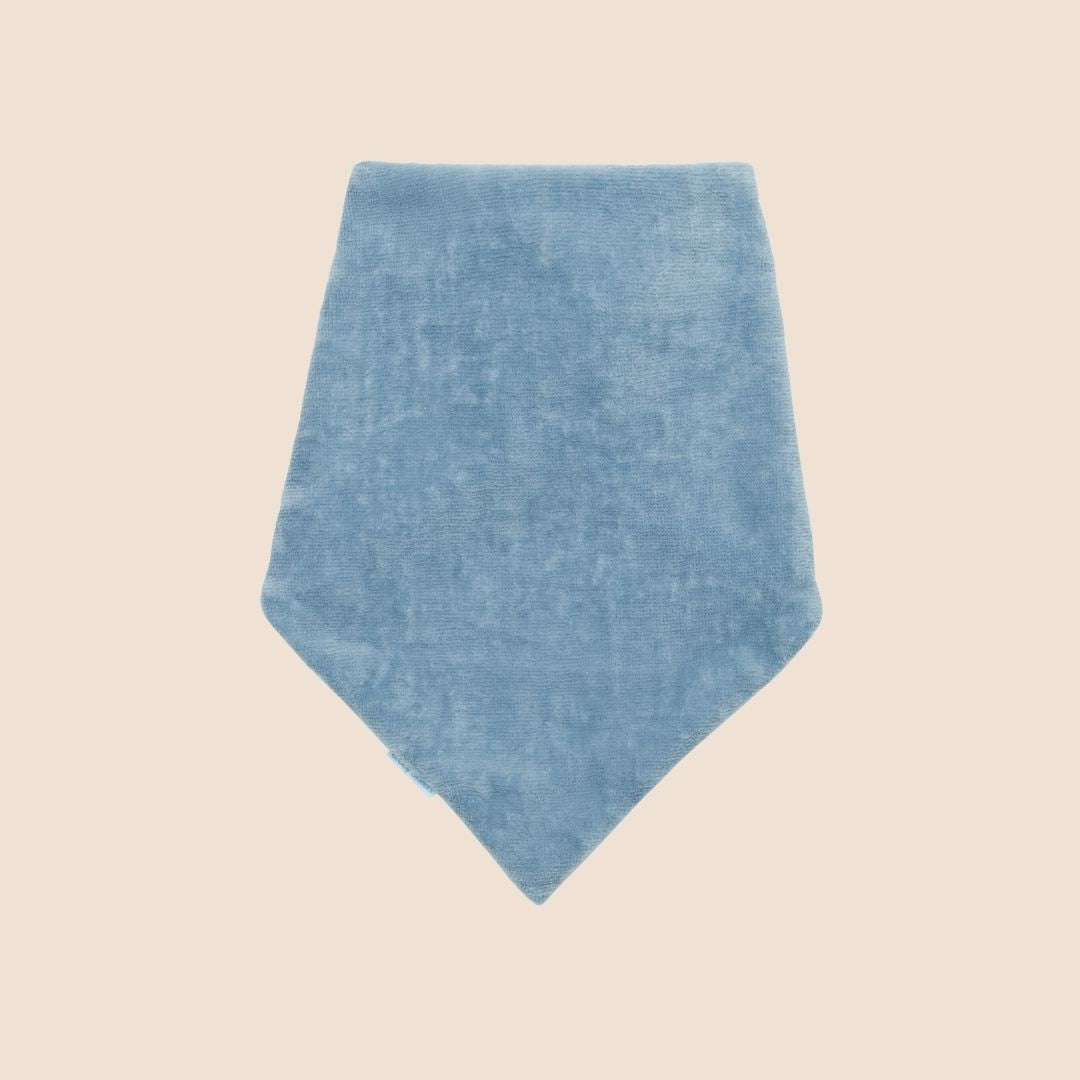
Many adults prefer a bandana-style bib because it feels more like part of an outfit rather than a “care item.” Modern designs come in appealing prints or neutral colours, helping the wearer feel more comfortable in social settings.
Small choices like fabric style and shape can make a big difference to confidence - especially for teens and adults who want something that feels age-appropriate.
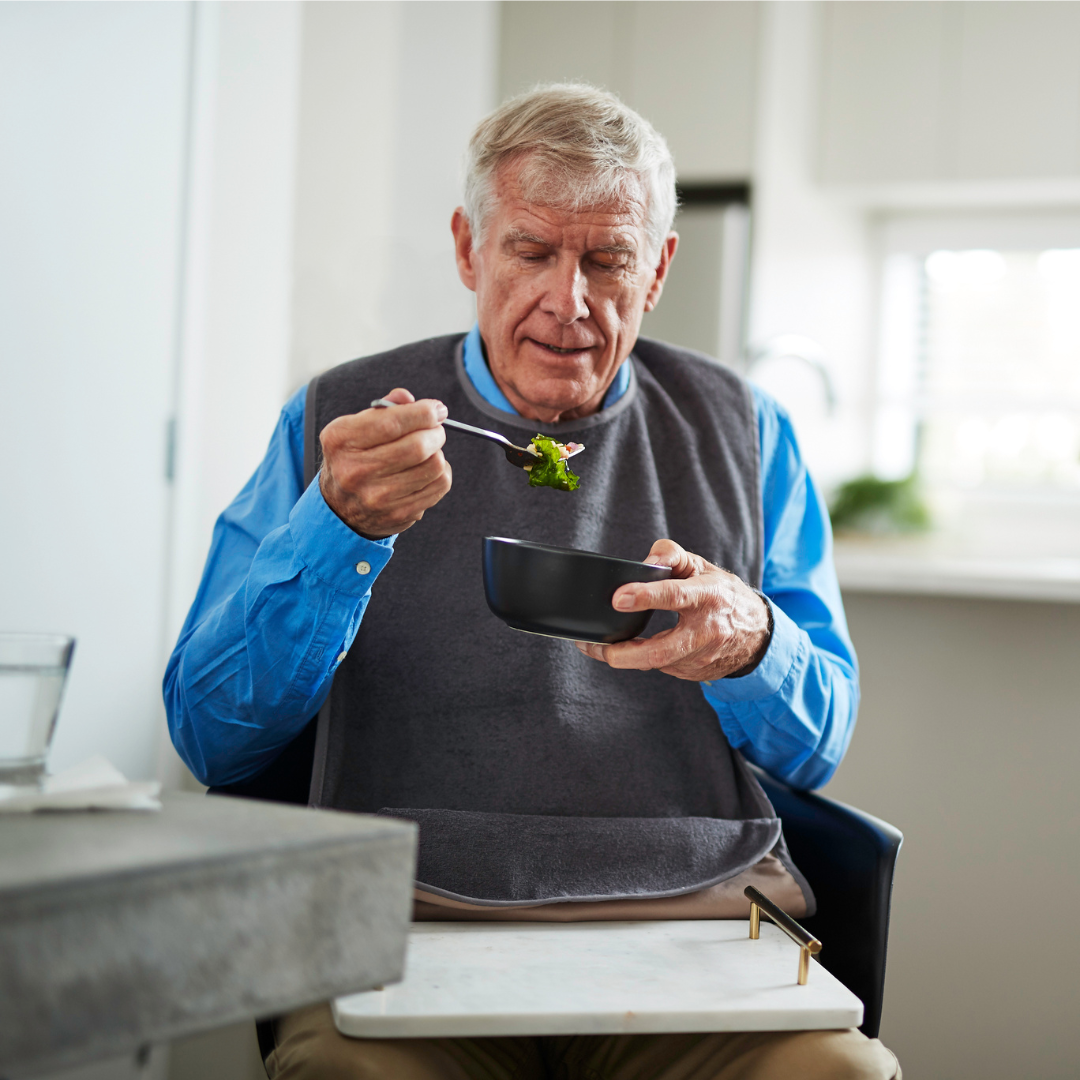
3. Helps Support Mealtime Independence
A bib that sits comfortably, stays in place, and catches spills properly can make mealtimes smoother for both the wearer and their support team. Features that help include:
-
adjustable neck sizing
-
waterproof backing
-
wide coverage without bulk
-
easy cleaning and fast drying
These small details reduce effort for carers and support workers, while helping the individual stay comfortable during and after meals.
4. Reduces Laundry and Daily Stress for Carers
Using the right bib or bandana means fewer outfit changes each day and less washing to stay on top of. This can be incredibly helpful for:
-
carers managing busy routines
-
NDIS participants trying to stay independent
-
families supporting someone with additional needs
A good-quality bib absorbs well, washes easily, and lasts over time—saving effort and cost.
5. Supports a Sensory-Friendly Routine
For people with sensory sensitivities, the wrong fabric can feel scratchy, heavy, or irritating. A soft, lightweight bandana can help regulate comfort throughout the day without overwhelming the wearer.
Look for designs that:
-
avoid stiff seams
-
use soft, breathable fabrics
-
sit comfortably around the neck
-
don’t create unnecessary heat
Comfort equals better participation in daily activities.
What to Look For When Choosing a Bib or Bandana
Here are the key features that make the biggest difference:
-
Soft, absorbent top layer
-
Waterproof or water-resistant backing
-
Adjustable sizing for the perfect fit
-
Lightweight design that doesn’t feel bulky
-
Quick-drying, easy-care materials
-
Colours and styles that the wearer feels good in
These details help create a product that feels comfortable, supportive, and suited to everyday life.
A bib or bandana may seem like a small thing, but the right one can improve comfort, protect skin, simplify routines, and help the wearer feel more at ease in daily life.
See our full range of Bibs and Bandanas here